
Mastering Fire Extinguisher Usage Steps Safely

Fire safety is a critical aspect of protecting lives and property. Knowing how to use a fire extinguisher correctly can make a significant difference in an emergency. This guide will walk you through the essential fire extinguisher usage steps, helping you respond confidently and safely when a fire breaks out.
Understanding Fire Extinguisher Usage Steps
Before using a fire extinguisher, it is important to understand the basic steps involved. These steps are designed to maximize your safety and the effectiveness of the extinguisher. The widely accepted method is the PASS technique:
Pull the pin: This unlocks the operating lever and allows you to discharge the extinguisher.
Aim low: Point the nozzle or hose at the base of the fire, where the fuel source is.
Squeeze the lever slowly: This releases the extinguishing agent.
Sweep from side to side: Move the nozzle across the base of the fire until it is completely out.
Following these steps carefully ensures you use the extinguisher efficiently and reduce the risk of injury or fire spread.
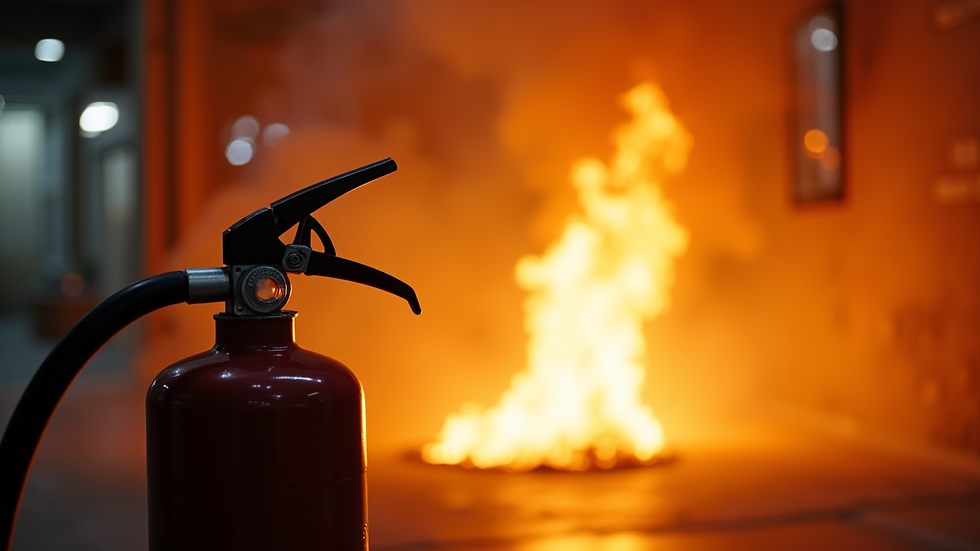
Types of Fire Extinguishers and Their Uses
Not all fire extinguishers are the same. Different types are designed to combat specific classes of fires. Using the wrong extinguisher can be ineffective or even dangerous. Here are the common types and their appropriate uses:
Water Extinguishers (Class A): Suitable for ordinary combustibles like wood, paper, and cloth.
Foam Extinguishers (Class A and B): Effective on flammable liquids such as gasoline and oil.
Carbon Dioxide (CO2) Extinguishers (Class B and Electrical): Ideal for electrical fires and flammable liquids.
Dry Chemical Extinguishers (Class A, B, and C): Versatile and commonly used for various fire types.
Wet Chemical Extinguishers (Class K): Designed for kitchen fires involving cooking oils and fats.
Always check the label on the extinguisher to confirm it matches the fire type you are dealing with. Using the correct extinguisher increases your chances of putting out the fire quickly and safely.
What is the operation of a fire extinguisher?
The operation of a fire extinguisher involves a simple but effective mechanism. When you pull the pin, it breaks the tamper seal and allows the handle to be pressed. Pressing the handle releases the extinguishing agent stored under pressure inside the cylinder. The agent is expelled through the nozzle or hose, directed at the fire’s base to cool the fuel or cut off oxygen supply.
Understanding this mechanism helps you appreciate why aiming at the base of the fire is crucial. The extinguishing agent works by interrupting the chemical reaction of the fire triangle: heat, fuel, and oxygen. By targeting the fuel source, you can stop the fire from spreading.
For more detailed information on fire extinguisher operation, visit the linked resource.
Safety Precautions When Using a Fire Extinguisher
Using a fire extinguisher involves risks, so safety precautions are essential. Here are some key recommendations to keep in mind:
Assess the fire size: Only attempt to extinguish small, contained fires. If the fire is spreading rapidly, evacuate immediately and call emergency services.
Maintain an exit path: Always keep your back to a clear exit so you can escape if the fire grows.
Wear protective gear if possible: Gloves and a mask can protect you from heat and smoke.
Avoid inhaling smoke: Smoke can be toxic; stay low to the ground if you must approach the fire.
Check extinguisher condition: Regularly inspect extinguishers for pressure, damage, or expiration dates.
By following these precautions, you reduce the risk of injury and increase the likelihood of successfully controlling the fire.

Maintenance and Inspection of Fire Extinguishers
Proper maintenance ensures your fire extinguisher will work when you need it most. Here are practical tips for keeping your extinguisher in good condition:
Monthly visual checks: Look for signs of damage, corrosion, or leakage.
Check pressure gauge: Ensure the needle is in the green zone, indicating proper pressure.
Clean the extinguisher: Wipe off dust and dirt to keep labels readable.
Professional servicing: Have a certified technician inspect and service the extinguisher annually.
Replace or recharge after use: Even partial use requires recharging or replacement.
Keeping your extinguisher ready helps you respond quickly and effectively in an emergency.
Enhancing Fire Safety Awareness
Mastering fire extinguisher usage steps is part of a broader fire safety strategy. Here are additional tips to enhance your preparedness:
Conduct fire drills: Practice using extinguishers and evacuating safely.
Educate family or coworkers: Share knowledge about fire types and extinguisher use.
Install smoke detectors: Early warning systems save lives.
Keep escape routes clear: Remove obstacles from hallways and exits.
Store extinguishers in accessible locations: Ensure everyone knows where they are.
By combining extinguisher skills with overall fire safety awareness, you create a safer environment for everyone.
Taking Action When a Fire Occurs
If you discover a fire, act quickly but calmly. Follow these steps:
Alert others: Sound alarms or shout to warn people nearby.
Call emergency services: Dial 911 or your local fire department immediately.
Use the fire extinguisher if safe: Apply the PASS method to try to control the fire.
Evacuate if fire grows: Do not risk your safety; leave the building promptly.
Close doors behind you: This helps contain the fire and smoke.
Remember, your safety is the top priority. Fire extinguishers are tools to help, but they are not a substitute for professional firefighting.
Mastering the fire extinguisher usage steps empowers you to respond effectively in emergencies. Regular practice, proper maintenance, and safety awareness are key to protecting yourself and others. Stay prepared, stay safe, and be confident in your ability to handle small fires before they escalate.


Comments